
Bunions affect a huge number of people — more than 64 million Americans deal with painful walking because of them — and the wrong shoe can make that pain much worse. Because a bunion changes the actual shape of your foot, standard shoes (even “comfortable” ones) often squeeze the big toe joint and irritate the bony bump. The good news: 2026’s shoe lineup has more genuinely bunion-friendly options than ever, and every pair below is available on Amazon.
What to Look for in a Bunion-Friendly Shoe
Before jumping into picks, here’s what actually matters:
- Wide, roomy toe box – Room for the forefoot to spread out is the single biggest factor. Most people with bunions do best in at least a 2E (wide) width, and those with severe bunions or wide forefeet often need 4E or 6E.
- Soft, flexible, or stretchy uppers – Knit or stretch-knit materials conform around the bump instead of pressing on it.
- Low heel-to-toe drop – A flatter platform reduces the forward pressure that loads the big toe joint.
- Removable insoles – Important if you use custom orthotics, since it frees up depth inside the shoe.
- A rocker or curved sole – Smooths the heel-to-toe transition so the stiff bunion joint doesn’t have to bend as much.
- Seam-free or padded interiors – Reduce friction directly over the bump.
A quick sizing tip: shop at the end of the day when feet are most swollen, and don’t be afraid to size up half a size or go wide even if you normally wear a standard width.
🏆 Our Top Picks: Best Shoes for Bunions (2026)
After reviewing these top-rated shoes, here’s the final breakdown based on different priorities:
👠 Best Women’s Shoes for Bunions
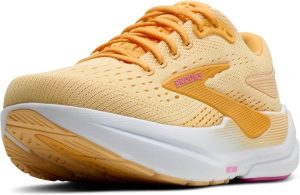
1. Brooks Ghost Max 3 — Best Overall Real-life tester Elana Bodzin, who has had bunions since childhood, called these the most comfortable shoes she tried — a 5/5 comfort score with no pain or fatigue. The flexible toe box allows natural toe splay, and the fit is roomy without being loose. Available in medium, wide, and extra-wide. 🔗 Brooks Ghost Max 3 Women’s on Amazon
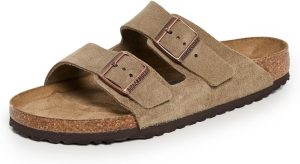
2. Birkenstock Arizona Suede — Best Sandal The OG orthopedic sandal still reigns supreme. Tester Lisa Lozano gave it 5/5 for bunion-pressure relief, stability, and extended-wear comfort. The soft suede upper doesn’t irritate or rub bunions, and the wide toe box helps keep toes naturally straighter. Podiatrists specifically recommend Birkenstock for its arch support and roomy toe area. 🔗 Birkenstock Arizona Women’s on Amazon
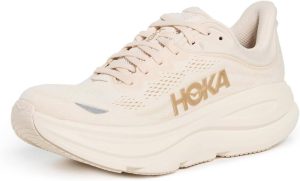
3. Hoka Bondi 9 — Best Maximum Cushioning Podiatrists recommend Hoka for its wider toe box, generous cushioning, and support that reduces bunion pressure. The Bondi series is especially popular for all-day comfort and is a go-to recommendation for women with bunions from multiple podiatrists. 🔗 Hoka Bondi Women’s on Amazon
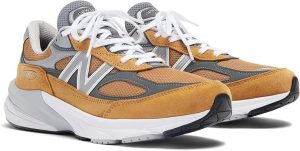
4. New Balance 990v6 Women’s (Wide) — Best for Active Women Available in wide widths up to 4E, the 990v6 provides outstanding toe box room and excellent motion control. Updated midsole cushioning for 2026 while maintaining the wide platform that has made it a podiatrist staple for bunion patients. 🔗 New Balance 990v6 Women’s Wide on Amazon
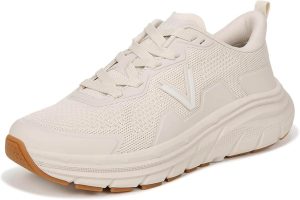
5. Vionic Walker Classic — Best Walking Shoe Vionic is specifically recommended by podiatrists for its wider toe boxes, cushioning, and arch support that reduces bunion pressure. The Walker Classic is great for everyday errands and long walks, with a built-in orthotic footbed. 🔗 Vionic Walker Classic Women’s on Amazon
👟 Best Men’s Shoes for Bunions
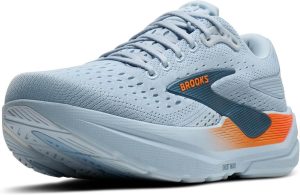
1. Brooks Ghost Max 3 — Best Overall Available in medium, wide, and extra-wide widths. Testers gave it a perfect 5/5 for comfort, reporting no pain, swelling, or fatigue. Podiatrists love it for its rocker sole, deep removable insole, and enough sole stiffness to stabilize the bunion joint without restricting movement. Carries the APMA Seal of Acceptance. 🔗 Brooks Ghost Max 3 on Amazon
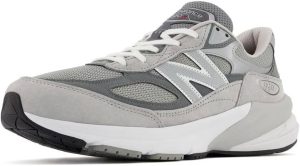
2. New Balance 990v6 (2E or 4E Width) — Best for Wide Feet The rounded forefoot shape accommodates medial hallux valgus prominence. The full-length ENCAP midsole provides superior motion control and cushioning. Available in widths from 2E through 6E. The 990 series has been the gold-standard podiatrist-recommended shoe for bunion patients for over a decade. 🔗 New Balance 990v6 Wide on Amazon
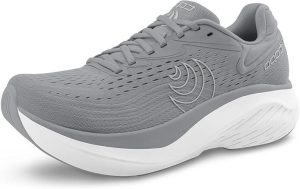
3. Topo Atmos — Best Anatomical Toe Box Features one of the widest and most foot-shaped toeboxes available, with a broad 77.3mm width vs. the 73.3mm average. Its flexible midsole bends with feet freely and provides excellent impact protection. 🔗 Topo Atmos on Amazon
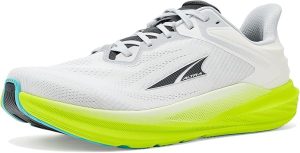
4. Altra Torin 8 — Best Zero-Drop A zero-drop running shoe that is totally flat from heel to toe, which can reduce pressure on the forefoot and ease bunion pain. It earned the APMA Seal of Acceptance. Best suited for those with normal gait mechanics. 🔗 Altra Torin 8 on Amazon
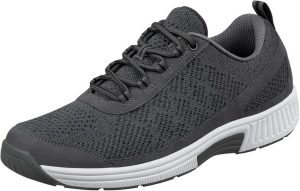
5. Orthofeet Men’s Lava Stretch — Best Orthopedic Designed with extra-depth wide toe boxes, built-in orthotic insoles for arch support and alignment, seam-free interiors to minimize friction, and cushioned soles that absorb shock. Ideal for all-day wear. 🔗 Orthofeet Men’s Bunion Shoes on Amazon
💡 Key tips when buying: Look for a wide/extra-wide toe box, flexible upper material (mesh or soft leather), low heel-to-toe drop, and a removable insole in case you use custom orthotics. Top brands to start with include Hoka, New Balance, Brooks, Vionic, and Orthofeet, as they consistently offer the wider toe boxes and cushioning bunion sufferers need.
Understanding Bunions
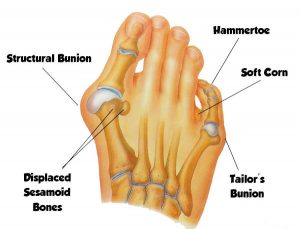
A bunion, medically known as hallux valgus, is a bony bump that forms on the joint at the base of the big toe. It’s a common condition, affecting millions of people worldwide, particularly women. It occurs when the big toe pushes against the adjacent toe, forcing the joint to enlarge and protrude. Symptoms include pain, swelling, and redness around the affected joint, which can worsen with ill-fitting shoes.
Key Features to Look For in Shoes for Bunions
- Wide Toe Box
- A roomy toe box prevents pressure on the bunion by giving your toes ample space to spread naturally. Look for shoes labeled as “wide” or “extra wide,” especially if you experience frequent discomfort.
- Soft and Stretchable Uppers
- Materials like leather, mesh, or knit fabric can stretch and conform to the shape of your foot, reducing friction and pressure on the bunion. Avoid stiff materials that may exacerbate irritation.
- Low or Moderate Heel Height
- High heels can force your toes into a cramped position, worsening bunion pain. Opt for shoes with a heel height of no more than 1 to 2 inches for better weight distribution and reduced stress on the forefoot.
- Arch Support
- Proper arch support helps maintain the foot’s natural alignment, preventing excessive pressure on the bunion area. Consider shoes with built-in arch support or use custom orthotic insoles.
- Cushioned Insole
- A cushioned insole provides shock absorption and reduces impact on the bunion. Memory foam or gel insoles are excellent choices for added comfort.
- Adjustable Features
- Shoes with adjustable straps, laces, or Velcro closures allow you to customize the fit, ensuring minimal pressure on sensitive areas.
- Lightweight and Flexible Soles
- Lightweight soles reduce foot fatigue, while flexibility ensures the shoe moves naturally with your foot. Look for soles made of rubber or EVA for durability and comfort.
Tips for Selecting the Right Shoes
- Measure Your Feet Regularly
-
Foot size can change over time due to various factors such as age, weight fluctuations, and foot conditions like bunions. These changes can affect the overall fit of your shoes, making it crucial to measure your feet regularly. Measure your feet annually and try on shoes in the late afternoon or evening when your feet are at their largest.
-
- Shop in Person When Possible
- Trying on shoes in-store allows you to assess their fit and comfort immediately. Walk around to ensure there’s no pinching or rubbing.
- Prioritize Comfort Over Style
- While fashionable shoes are tempting, prioritize function and comfort. Many brands now offer stylish options designed specifically for bunions.
- Break in Shoes Gradually
- Even the most comfortable shoes may require a short break-in period. Wear them for short durations initially to ensure they don’t cause discomfort.
Recommended Shoe Types for Bunions
- Athletic Shoes
- Brands like Brooks, New Balance, and Asics offer wide-width options with excellent cushioning and support.
- Orthopedic Shoes
-
Companies like Vionic, Orthofeet, and Hoka specialize in designing shoes for foot conditions, including bunions. These brands are known for incorporating features like enhanced arch support, cushioned insoles, and wider toe boxes, which help alleviate discomfort and provide superior foot alignment.
-
- Sandals with Adjustable Straps
- Look for sandals with multiple adjustable straps to avoid pressure on the bunion. Birkenstock and Teva are popular choices.
- Slip-On Shoes
- Ensure they have a stretchy upper and a snug but not tight fit. Skechers and Allbirds offer comfortable slip-on options.
When to See a Specialist
If bunion pain persists despite wearing appropriate footwear, consider consulting a podiatrist. They can recommend treatments such as custom orthotics, physical therapy, or, in severe cases, surgery.
Conclusion
Choosing the right shoes for bunions is a critical step in managing discomfort and protecting your foot health. Prioritize features like a wide toe box, soft uppers, proper arch support, and cushioning to ensure your shoes provide the comfort and support you need. By investing in well-designed footwear, you can reduce pain and enjoy greater mobility in your daily life.