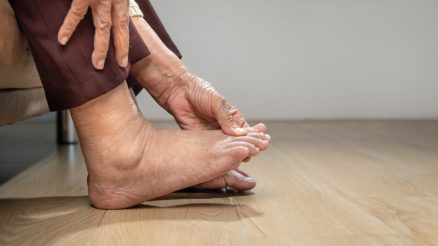
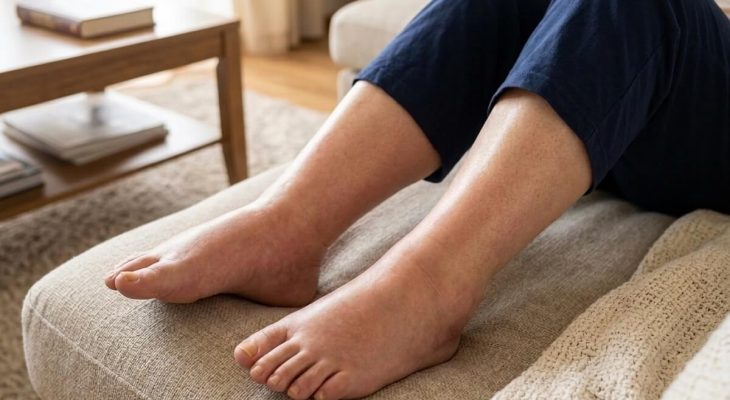
Swollen feet and ankles are one of those minor miseries that can quietly derail a day — shoes feel tight, skin looks puffy and shiny, and by evening even standing can feel uncomfortable. The medical term for this is edema, and it happens when excess fluid builds up in the tissues of the lower legs. While it’s often harmless and related to things like long flights, hot weather, standing all day, or pregnancy, it can also occasionally signal something that needs medical attention.
Essential oils have become a popular natural remedy for easing this kind of swelling and discomfort. This guide walks through why feet and ankles swell, which essential oils have the most support behind them, and how to use them safely and effectively.
What Causes Swollen Feet and Ankles?
Before reaching for a remedy, it helps to understand what’s actually happening. Common causes include:
- Prolonged sitting or standing — gravity pulls fluid down into the lower legs
- Heat — warm weather causes blood vessels to expand, allowing fluid to seep into surrounding tissue
- Long travel (flights, road trips) — lack of movement slows circulation
- Pregnancy — increased blood volume and hormonal changes
- Salt-heavy diets — sodium encourages the body to retain water
- Minor injuries — sprains or strains cause localized swelling
- Poor circulation or venous insufficiency — veins struggle to return blood to the heart
- Certain medications — including some blood pressure drugs, steroids, and NSAIDs
- Underlying conditions — kidney, liver, or heart issues can cause more persistent swelling
Essential oils are best suited for the first several causes above — the everyday, circulation- and inflammation-related swelling. They are not a treatment for swelling caused by heart, kidney, or liver disease, blood clots, or infection.
How Essential Oils May Help
Essential oils aren’t a cure for edema, but several have properties that may support comfort and reduce mild, everyday swelling:
- Anti-inflammatory action — some oils contain compounds that may calm inflamed tissue
- Improved circulation — certain oils are traditionally used to stimulate blood flow, which helps move excess fluid out of the tissues
- Diuretic-like effects — a few oils are thought to support the body’s natural fluid balance
- Cooling or warming sensations — these can distract from discomfort and relax tense muscles around the ankle
- Relaxation — the massage motion used to apply oils is itself known to encourage lymphatic drainage, and stress reduction may lower inflammation over time
It’s worth being clear-eyed here: most of the evidence for essential oils and swelling comes from small studies, traditional use, and the general pharmacology of the plant compounds involved — not large clinical trials specifically on ankle edema. They work best as a complementary comfort measure alongside rest, elevation, and hydration.
The Best Essential Oils for Swollen Feet & Ankles
1. Cypress Oil
Often considered the top choice for circulation-related swelling. Cypress is traditionally used to support vein and lymphatic health, making it a favorite for those who swell after long periods of standing or sitting.
2. Peppermint Oil
Contains menthol, which produces a cooling sensation and may help soothe tired, achy, swollen feet. Peppermint is also mildly anti-inflammatory and can help mask discomfort while you rest.
3. Lavender Oil
Best known for relaxation, lavender also has mild anti-inflammatory properties. It’s gentle enough for regular use and pairs well with other oils in a blend.
4. Ginger Oil
Warming and anti-inflammatory, ginger oil is often used for joint and muscle swelling. It can be especially soothing for ankles that are swollen due to overuse or minor strain.
5. Juniper Berry Oil
Traditionally associated with detoxifying and mild diuretic effects, juniper is often included in blends aimed at reducing fluid retention.
6. Grapefruit Oil
A citrus oil believed to support lymphatic drainage and circulation. Its bright scent also makes it a pleasant addition to a foot soak.
7. Rosemary Oil
Known for stimulating circulation, rosemary can help encourage blood flow back up through the legs, which may reduce pooling around the ankles.
8. Chamomile Oil (German or Roman)
Gentle and calming, chamomile has a long history of use for inflamed or irritated skin and may help reduce puffiness alongside general relaxation.
9. Helichrysum Oil
Prized in aromatherapy for supporting healthy circulation and calming inflamed tissue, though it’s pricier and less commonly stocked than the oils above.
How to Use Essential Oils for Swelling
Essential oils should almost always be diluted before touching the skin. Applied directly (“neat”), many can cause irritation, especially peppermint and rosemary.
1. Massage Blend
- Mix 4–6 drops of essential oil per 1 tablespoon (about 15 mL) of carrier oil (jojoba, sweet almond, or coconut oil work well)
- Starting at the toes, massage upward toward the knee — this direction supports fluid moving back toward the heart
- Use gentle, sweeping strokes rather than deep pressure directly on visibly swollen areas
Suggested blend: 3 drops cypress + 2 drops lavender + 2 drops ginger in 1 tablespoon carrier oil
2. Foot Soak
- Fill a basin with warm (not hot) water
- Add 5–8 drops of essential oil mixed into a tablespoon of carrier oil, unscented soap, or Epsom salt first (essential oils don’t dissolve in water on their own)
- Soak feet for 15–20 minutes, ideally with feet elevated slightly afterward
Suggested blend: 3 drops peppermint + 3 drops grapefruit + 2 drops cypress
3. Cold Compress
- Add 4–5 drops of essential oil to a bowl of cold water
- Soak a cloth, wring it out, and apply to the ankles for 10–15 minutes
- Especially good for swelling from heat or minor sprains
4. Diffusion
- While diffusing won’t reduce swelling directly, oils like lavender or chamomile in a diffuser can promote the rest and relaxation that support overall circulation and stress reduction
Safety Precautions
- Always dilute. A general guideline is a 2–3% dilution for adults (roughly 12–18 drops of essential oil per ounce of carrier oil), and lower for sensitive skin.
- Patch test first. Apply a small diluted amount to your inner arm and wait 24 hours before broader use.
- Avoid broken or irritated skin, varicose veins with open sores, or areas of active infection.
- Pregnancy caution: Some oils (including rosemary, in higher amounts) are best avoided or used only with a doctor’s or certified aromatherapist’s guidance during pregnancy.
- Not for children under 6 without professional guidance, and use extra caution with oils like peppermint in younger children.
- Keep away from eyes, mucous membranes, and broken skin.
- Essential oils are not a substitute for medical treatment of underlying conditions.
When Swelling Needs Medical Attention
Essential oils are appropriate for mild, temporary swelling. See a doctor promptly if you notice:
- Swelling in only one leg or ankle (possible blood clot)
- Swelling that comes on suddenly and severely
- Swelling accompanied by chest pain, shortness of breath, or confusion
- Skin that is red, warm, and tender (possible infection or clot)
- Swelling that doesn’t improve with rest and elevation
- Swelling paired with unexplained weight gain, reduced urination, or fatigue (possible kidney, liver, or heart involvement)
These symptoms warrant prompt evaluation rather than home remedies.
Complementary Habits That Boost the Effects
Essential oils work best as part of a broader routine:
- Elevate your feet above heart level for 15–20 minutes several times a day
- Move regularly — even standing and flexing your ankles every hour helps if you sit for long stretches
- Stay hydrated — paradoxically, drinking more water helps the body release retained fluid
- Reduce sodium intake on days when swelling is noticeable
- Wear compression socks, especially during travel or long periods of standing
- Cool the area if swelling is heat-related, warm it if it’s related to stiffness or minor strain
Final Thoughts
For everyday, mild swelling in the feet and ankles, essential oils like cypress, peppermint, lavender, and ginger — diluted and applied through massage or a warm foot soak — can offer real comfort and may support circulation and relaxation. They shine as part of a routine that also includes elevation, movement, and hydration.
That said, they aren’t magic, and they aren’t a diagnosis. Persistent, one-sided, or severe swelling deserves a conversation with a healthcare provider rather than a home remedy. Used thoughtfully, essential oils can be a soothing, low-risk addition to your self-care toolkit — just not a replacement for medical judgment when something feels genuinely off.
This article is for general informational purposes and is not a substitute for professional medical advice. Consult a healthcare provider before using essential oils if you are pregnant, nursing, managing a chronic condition, or unsure about the cause of your swelling.