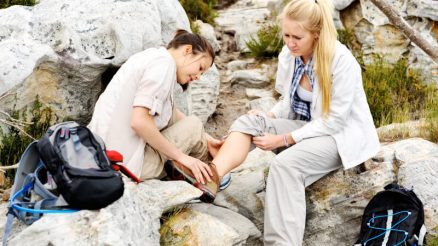
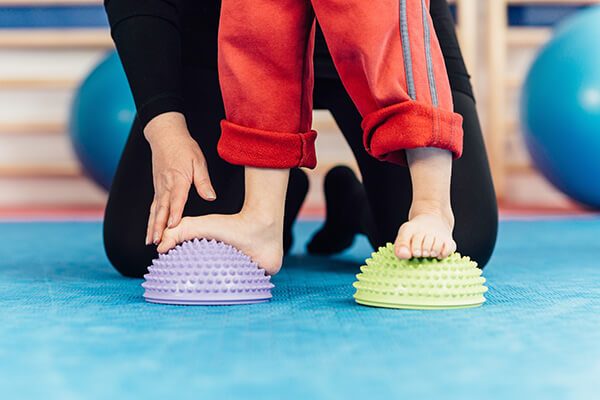
Flat feet is a condition in which the arch under the sole of your feet is absent or fallen. As a result, your feet touch the ground. It could be painless or painful at the arch area. Additionally, the condition may occur after an injury or as a result of wear out due to aging, which weakens the tendons that support the arch.
Signs and symptoms are rare, but some people may experience pain on the feet, including difficulties when attempting to stand. It’s also easy to notice flat feet when you stand upright.
Do Exercises for Flat Feet Work?

Although flat feet may seem impossible to fix, you can actually use exercises to improve your arch. A true story is told of a lady whose life completely changed after years of dealing with flat feet. She always believed that her flat feet condition was permanent.
However, she adopted the knowledge gained from her physiotherapy classes to fix her problem by engaging in feet exercises. After several months, her flat feet improved greatly, resulting in the development of normal arches.
Studies have also proven that exercises for flat feet actually work with study participants showing significant improvement after embarking on certain exercises within the study periods.
20 Most Effective Exercises to Correct Flat Feet
1. Short Foot Exercise
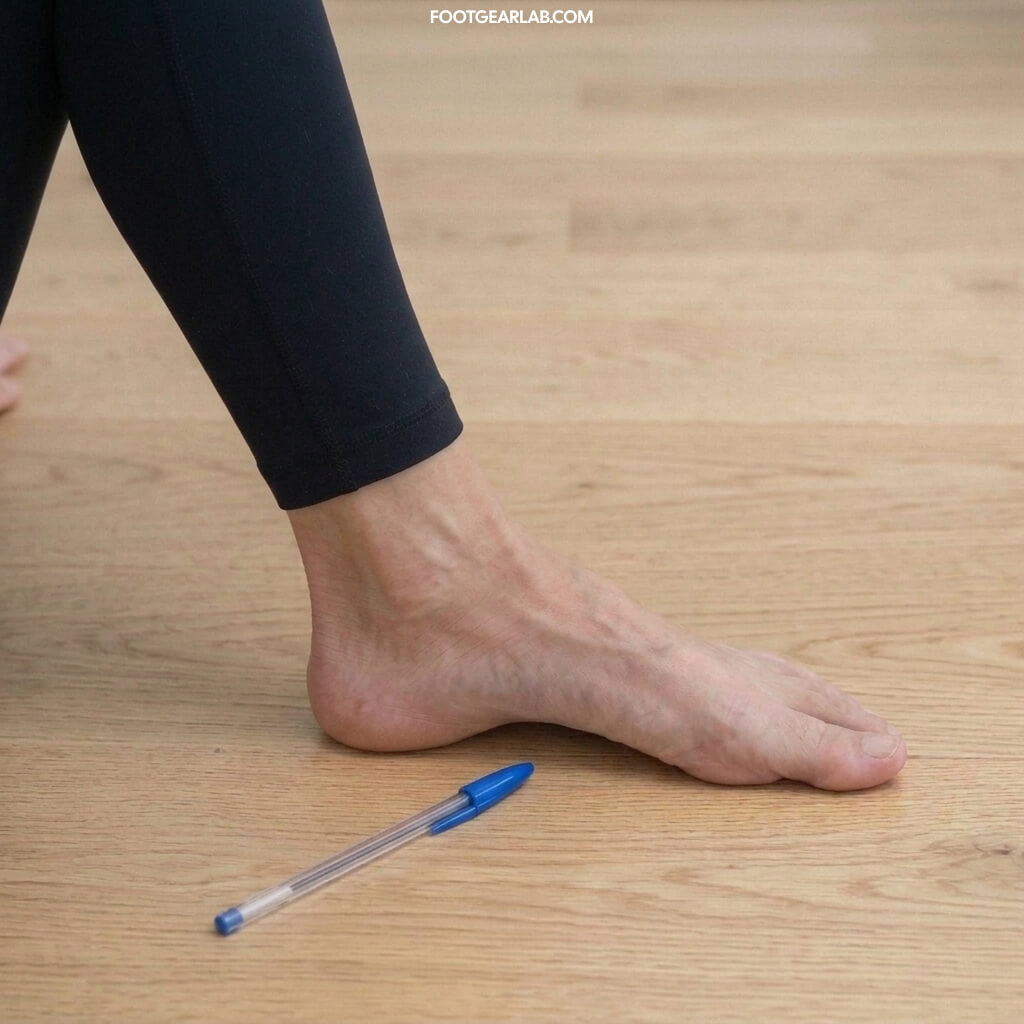
The short foot exercise activates the tiny, deep muscles on the bottom of the foot (the intrinsic muscles) to create an internal arch. For individuals with flat feet (pes planus), this exercise builds dynamic arch support, improves foot stability, and trains the body to prevent overpronation during daily movements.
Step-by-Step Instructions
-
Starting Position: Sit upright on a chair with your feet flat on the ground, hips and knees bent at a 90-degree angle.
-
Engage the Arch: Without curling your toes or lifting your heel, contract the muscles in the sole of your foot to draw the ball of your foot (the metatarsal heads) toward your heel.
-
Lift and Shorten: As you shorten the foot, feel your arch gently lift and dome upward while keeping all five toes flat against the floor.
-
Hold the Contraction: Hold this shortened position for 5 to 10 seconds while maintaining steady breathing.
-
Release & Progress: Relax your foot back to the starting position. Repeat for 10 repetitions per foot, 2 to 3 times a day.
Important Form Tips & Notes
-
Avoid Curling the Toes: A common mistake is curling or “gripping” with the toes. Focus on pulling the ball of the foot toward the heel using your arch muscles, keeping the toes long and relaxed flat on the ground.
-
Managing Foot Cramps: Because flat feet are unaccustomed to using these deep foot muscles, you may experience mild foot cramping initially. If a cramp occurs, gently release the hold, stretch your toes upward, and massage the arch before trying again. With practice, muscle endurance will build and cramping will subside.
-
Progression: Start while seated. Once you can reliably control the arch contraction without curling your toes, progress to performing the exercise while standing, and eventually during single-leg balance drills.
2. Calf Stretch
Tight calf muscles pull upward on the heel bone, which can flatten the arch of the foot further and increase strain on the plantar fascia and ankle joint.
Step-by-Step Instructions
-
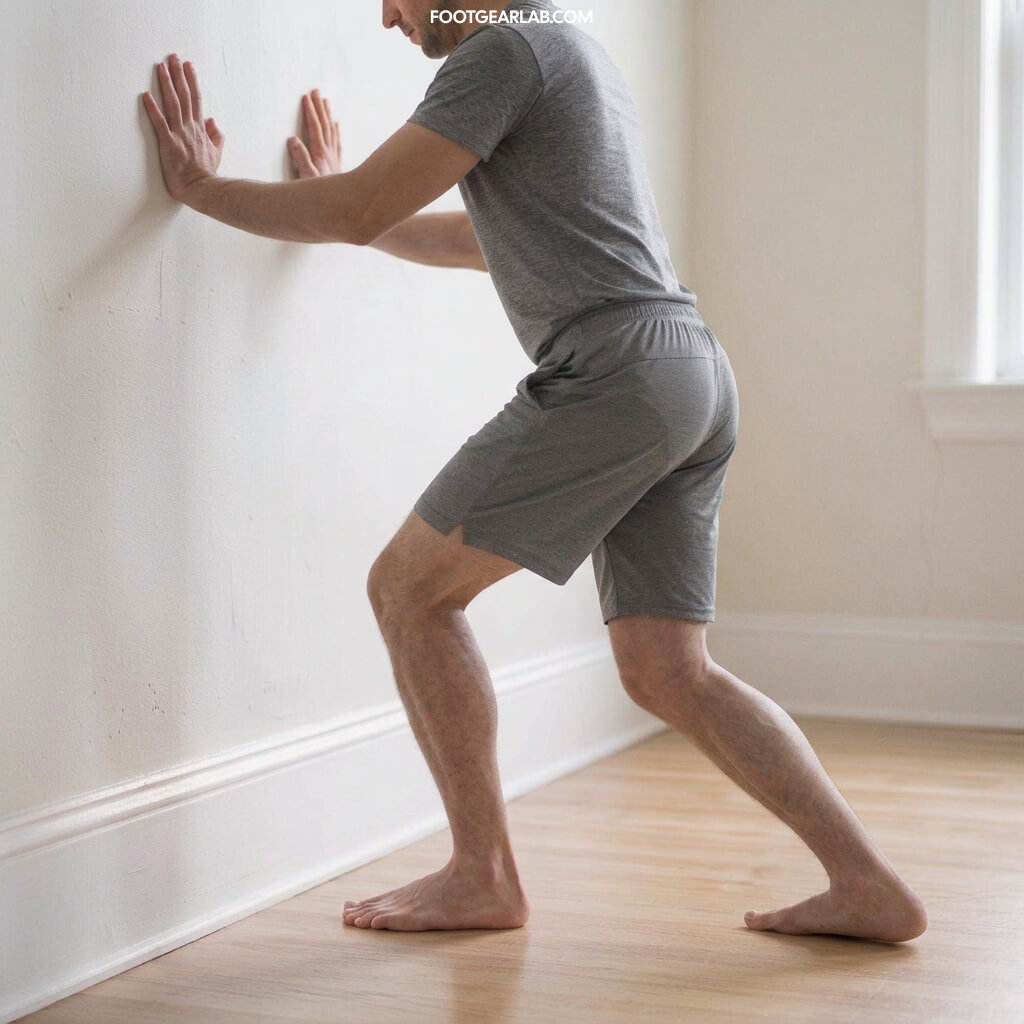
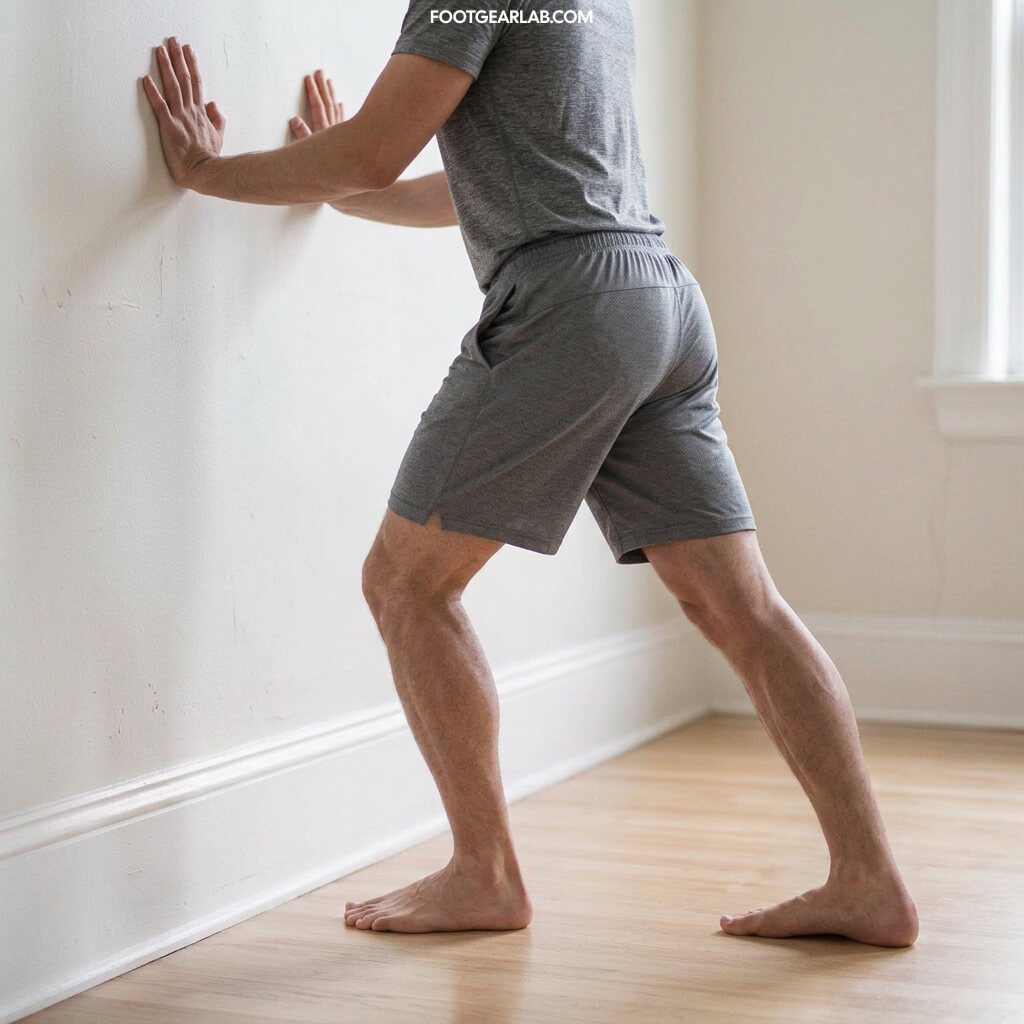
Position Yourself: Stand facing a wall, placing both hands flat on the wall at shoulder height for support.
-
Step Back with Proper Alignment: Step your right foot back, keeping that leg completely straight. Point your toes straight toward the wall (avoid letting your foot or heel turn outward).
-
Maintain Arch Support: Keep your back heel firmly flat on the floor and distribute your weight evenly across the outer edge of the foot. Avoid letting your ankle collapse inward (overpronate).
-
Bend the Front Leg: Gently bend your left knee, shifting your body weight forward while keeping your right heel planted.
-
Hold the Stretch: Lean forward slightly until you feel a firm, comfortable stretch in your upper right calf. Hold this position for 30 seconds while breathing steadily.
-
Switch Sides: Return to the starting position and repeat with your left leg back and your right knee bent.
-
Frequency: Perform this routine 3 times per day (or 2–3 sets per session).
Key Tips
-
Watch Your Heel Position: Avoid turning your back heel outward. Turning the heel out is a common compensation mechanism that bypasses tight calf muscles and places unwanted stress on the foot’s arch.
-
Pair with Arch Strengthening: Stretching the calves addresses muscle tightness, but combining this with arch-strengthening exercises (like towel scrunches or short-foot exercises) provides the active support flat feet need.
3. Soleus Stretch
Tightness in the soleus (the deeper calf muscle) can severely restrict ankle mobility and increase downward pressure on the foot’s arch. The soleus stretch focuses specifically on the lower calf and Achilles tendon, helping to improve ankle range of motion and reduce strain associated with flat feet (pes planus).
Step-by-Step Instructions
-
Position Yourself: Stand facing a wall, placing both hands flat on the wall at shoulder height for support.
-
Step Back & Bend the Knee: Step your right foot slightly back behind your left foot, keeping both knees gently bent.
-
Maintain Proper Alignment: Keep your right heel flat on the floor and point your toes straight ahead (avoid letting your foot collapse inward).
-
Shift Your Weight: Gently bend both knees a little deeper, shifting your body weight forward toward the wall while keeping your back heel firmly planted.
-
Hold the Stretch: Maintain this position for 30 seconds while breathing steadily. You should feel a deep stretch in the lower portion of the right calf, closer to the Achilles tendon.
-
Switch Sides: Return to the starting position and repeat with your left leg back.
-
Frequency: Perform this exercise 3 times per day.
Key Form Tips
-
Target the Lower Calf: Unlike the straight-leg calf stretch that targets the upper calf (gastrocnemius), bending the back knee shifts the stretch lower toward the soleus and Achilles tendon, which is vital for ankle flexibility in flat feet.
-
Keep the Heel Down: Ensure your back heel stays completely flat on the floor. If it starts to lift, step slightly closer to the wall.