There is a special kind of thrill in walking out of a thrift store with a $4 lamp, a $6 frame, and a dusty brass candlestick, then turning them into pieces that look like they came from a boutique showroom. High-end decor is mostly about a few things: good shapes, a cohesive color story, quality-looking finishes, and thoughtful styling. The good news is that all of those can be created with paint, a little hardware, and some patience.
This guide walks you through what to look for while you shop, the best flips to try, the finishes that read “expensive,” and the styling secrets that pull it all together so your home looks curated rather than cobbled together.
Why Thrift Flips Can Look Better Than New Decor
Many older pieces were built with solid wood, real brass, heavy glass, and genuine ceramic, materials that cost far more today. A vintage side table might be solid oak under a dated orange finish, while its modern big-box equivalent is often particleboard with a printed veneer. When you flip thrifted items, you start with better bones and simply update the surface.
Thrift flips are also one of a kind. Designer homes rarely look like they were ordered from a single catalog page; they feel collected over time. Mixing a refinished vintage dresser with a modern lamp and an antique mirror creates that layered, personal look that interior designers charge a premium to achieve.
Finally, flipping is a sustainable choice. Giving a well-made item a second life keeps it out of landfill and reduces demand for fast, disposable furniture, which is a win you can feel good about every time you look at the finished piece.
What to Look for When You Shop
Training your eye is the most important skill in thrifting for high-end results. Before you get distracted by color or condition, focus on these qualities.
- Shape over finish. Ignore the ugly paint, the scratched varnish, or the dated gold. Ask yourself whether the silhouette is beautiful. Curvy lamp bases, fluted vases, turned wooden legs, arched mirrors, and chunky ceramic forms all photograph and style beautifully once refinished.
- Weight and material. Pick items up. Heavy glass, solid wood, cast metal, and thick ceramic almost always look more luxurious than lightweight plastic or resin. A quick magnet test helps with metals: real solid brass is not magnetic, while brass-plated steel will grab the magnet.
- Good construction. On furniture, check for dovetail joints in drawers, solid backs, and sturdy legs. Minor wobbles can be fixed with wood glue and clamps, but warped tops or water-swollen particleboard are usually not worth the effort.
- Pairs and sets. Matching lamps, two identical candlesticks, or a set of frames instantly look more intentional and expensive when displayed symmetrically. Grab pairs whenever you find them.
- Simple, classic details. Fluting, ribbing, scalloped edges, cane, rattan, marble, travertine, and brass are design details that come back into fashion again and again. They are your best bets for a timeless finished look.
10 Thrift Store Decor Flips That Look High-End
1. Dated Lamp to Designer Ceramic Lamp
Old ceramic or brass lamps are some of the easiest and most dramatic flips. Clean the base thoroughly, lightly scuff it with fine sandpaper, and apply a bonding primer. Finish with a textured stone-effect spray paint or a matte paint in a warm neutral such as cream, clay, sage, or charcoal. Swap the old shade for a pleated, linen, or tapered drum shade, and replace any cheap-looking harp or finial with a brass one. The result reads like a lamp from a high-end home store at a fraction of the price.
2. Plain Glass Vases to Faux Stone or Pottery
Clear glass vases are everywhere at thrift stores and cost very little. Mix acrylic paint with baking soda (about two parts paint to one part baking soda) to create a gritty, textured finish that mimics hand-thrown pottery or terracotta. Apply two coats with a sponge, let it dry, and lightly sand the high spots for a weathered look. Grouped in odd numbers with different heights, these vases look like an expensive artisan collection.
3. Tarnished Brass to Polished Antique Gold
Brass candlesticks, trays, bowls, and bells are thrift-store staples, and they often only need a good cleaning. Use a commercial brass polish, or try a paste of lemon juice and baking soda, then buff with a soft cloth. If you prefer an aged, collected-over-time look, polish only lightly so a little patina remains in the crevices. A cluster of mismatched brass candlesticks on a dining table or mantel instantly adds old-world elegance.
4. Cheap Frames to Gallery-Worthy Art
Look for frames with interesting profiles, such as thick wood, ornate gold, or simple chunky shapes, regardless of the art inside. Paint them in a single unified finish like matte black, warm wood tone, or antique gold. Then fill them with free vintage art prints from public-domain museum collections, botanical illustrations, or abstract pieces you print at a local shop. Adding a wide mat around the artwork is the single biggest trick for making framed art look custom and expensive.
5. Outdated Wood Furniture to Modern Statement Piece
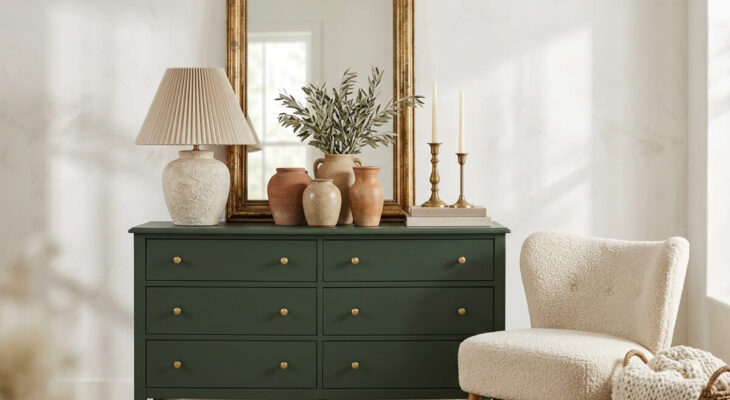
A worn dresser, nightstand, or side table can become the hero of a room. Clean it with a degreaser, sand to scuff the surface, and prime with a stain-blocking primer if the wood is dark or tannin-heavy. Choose a sophisticated color like deep green, navy, warm greige, or soft black, and finish with a protective topcoat. Replace the hardware with quality brass knobs or leather pulls, because hardware is often what separates a “painted thrift dresser” from a designer piece.
6. Basic Mirror to Arched or Ornate Statement Mirror
Large mirrors are expensive new but often affordable secondhand. Spray-paint an ornate frame in antique gold or a moody matte color to modernize it. For a simple mirror, you can add wooden trim, rope, or cane webbing around the edge for texture. Hang it above a console or lean it against the wall on the floor for an effortless, editorial look that also brightens your space.
7. Old Baskets to Woven Luxe Storage
Thrifted baskets can look a little tired, but a gentle wash, a fresh coat of matte paint in black or cream, or simply new leather handles can transform them. Use them to hold throw blankets, magazines, or plants. Woven textures add warmth and an organic, high-end feel to any room, especially when paired with linen and wood.
8. Mismatched Dishes to Curated Display Collection
Stoneware bowls, ironstone pitchers, and old serving platters look stunning when displayed in groups. Collect pieces in one color family, such as all-white ironstone or earthy brown pottery, and arrange them on open shelving or in a glass cabinet. A cohesive collection of humble vintage dishes looks far more expensive than any single item on its own.
9. Plain Candle Holders to Sculptural Decor
Wooden or ceramic candle holders can be upgraded with plaster-effect paint, travertine-style texture, or a wash of white chalk paint followed by light sanding. Pair them with tall taper candles in a neutral or moody color. Sculptural candle holders are a big trend in luxury interiors, and this flip lets you join in for just a few dollars.
10. Worn Upholstered Chair to Boutique Accent Chair
If you find a chair with great lines but dated fabric, consider reupholstering the seat (a beginner-friendly project with a staple gun) or covering it entirely in a fitted slipcover. Choose fabrics with luxe texture such as bouclé, velvet, linen, or a classic stripe. Refresh the wooden legs with stain or paint, and you have a statement chair that rivals designer pieces costing hundreds.
Finishes That Instantly Read “Expensive”
The finish you choose matters as much as the item itself. Some finishes elevate a piece immediately, while others can make even quality items look cheap.
| Finish | Why It Looks High-End | Best For |
|---|---|---|
| Matte or eggshell paint | Soft, velvety surface that hides imperfections and avoids plastic-looking shine | Lamps, furniture, vases |
| Textured stone or plaster effect | Mimics costly natural materials like travertine and limestone | Vases, candle holders, lamp bases |
| Antique or brushed gold | Warmer and more subtle than bright metallic gold | Frames, mirrors, hardware |
| Deep, moody colors | Navy, forest green, oxblood, and charcoal feel rich and intentional | Dressers, side tables, accent pieces |
| Warm wood stain | Natural wood grain adds depth and timeless warmth | Chair legs, frames, small furniture |
A good rule of thumb: avoid high-gloss metallic spray paints and bright, saturated colors unless they are part of a deliberate design scheme. Subtle, natural-looking finishes almost always look more expensive.
Supplies Worth Keeping on Hand
Building a small flipping kit makes it easier to tackle projects as soon as you bring treasures home.
- Sandpaper and sanding blocks in medium and fine grit, which help paint grip properly and keep finishes smooth rather than lumpy or peeling.
- Bonding primer, essential for slick surfaces like glass, ceramic, laminate, and glossy wood, so your paint does not scratch off with daily use.
- Quality brushes and foam rollers, since cheap brushes leave streaks and stray bristles that make a piece look homemade.
- Spray paint in a few neutral, matte colors, ideal for fast flips of lamps, frames, and small accessories.
- Baking soda and acrylic paints for creating textured pottery effects on glass and ceramics.
- Brass polish, wood glue, and a screwdriver set, which cover the cleaning, repairs, and hardware swaps that so many flips require.
- A clear protective topcoat such as water-based polycrylic, to keep painted furniture durable and wipeable.
Styling Secrets for a Luxurious Finished Look
Even beautifully refinished pieces need thoughtful styling to look truly high-end. These principles make the biggest difference.
- Stick to a cohesive color palette. Choose three to four main colors for a room and flip pieces to match. A neutral base with one or two accent tones makes everything feel planned and expensive.
- Group in odd numbers. Arrangements of three or five objects feel more natural and balanced than even groupings. Vary heights and textures within each group to keep the eye moving.
- Mix old and new. Pair your vintage finds with a few modern elements, such as a contemporary art print or clean-lined furniture, so your space feels fresh rather than like a time capsule.
- Layer textures. Combine smooth ceramic, rough linen, warm wood, cool metal, and soft textiles. Texture creates depth and is one of the main reasons designer rooms feel rich.
- Leave breathing room. Luxury spaces are rarely cluttered. Give each statement piece space to shine and edit out anything that feels like filler.
- Add greenery and books. Branches in a flipped vase, a trailing plant, or a stack of coffee table books adds life and makes styled vignettes feel lived-in and authentic.
Common Mistakes to Avoid
Skipping prep work is the most frequent reason flips fail. Paint on an unsanded, unprimed glossy surface will chip and peel within weeks, so always clean, scuff, and prime first, even when you are excited to see the finished result.
Another mistake is buying items just because they are cheap. A pile of $2 trinkets rarely adds up to a high-end look. Be selective, focus on shape and material quality, and leave behind anything that does not fit your vision for the room.
Finally, be cautious with certain items. Avoid secondhand cribs, car seats, and anything with recalls, and be mindful that very old painted pieces may contain lead paint. If you suspect lead, use a home test kit before sanding, and avoid sanding questionable finishes indoors. Wear a mask and work in a well-ventilated area whenever you sand or spray paint.
Final Thoughts
Creating a high-end home on a budget is less about spending money and more about developing an eye for good bones, choosing sophisticated finishes, and styling with intention. Start small with an easy project like a lamp or a set of frames, and you will quickly gain the confidence to tackle bigger pieces like dressers and chairs.
Every thrift flip tells a story, and that sense of character is exactly what makes a home feel truly luxurious. Next time you pass a thrift store, step inside with fresh eyes, because your next designer-worthy piece might be waiting on the bottom shelf for just a few dollars.